
Kawasaki Disease
PediatricsOverview
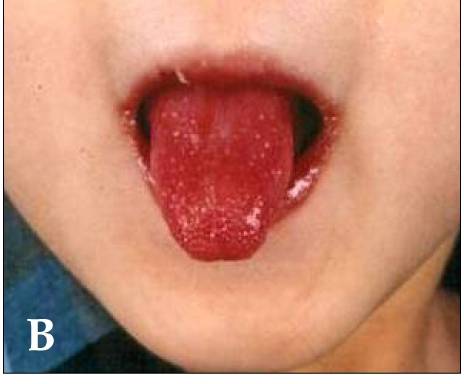
Kawasaki disease, also known as mucocutaneous lymph node syndrome, is an autoimmune disease characterized by acute, self-limiting vasculitis of small and medium-sized blood vessels throughout the body. Common symptoms include fever lasting more than five days that does not respond to routine medication, non-suppurative cervical lymph node enlargement, red eyes (conjunctival injection), and rash on the lips, palms, or soles. A small number of children develop serious heart disease such as coronary artery aneurysms. Early treatment is high-dose aspirin and immunoglobulin.
Symptoms
- Persistent high fever
- Conjunctival injection
- Cracked lips
- Rash
- Firm swelling of hands and feet
Treatment
Seek medical care promptly and use immunoglobulin and aspirin early, closely monitoring the heart and coronary arteries.
Dietary advice
Eat a bland, easily digestible diet, ensure adequate hydration and nutrition, and avoid spicy, irritating foods.