
local_fire_departmentCommon Diseases
More chevron_rightHypertension
CardiologyHypertension is a chronic condition characterized by persistently elevated arterial blood pressure and is the leading risk factor for cardiovascular and cerebrovascular disease. In adults it is diagnosed at a systolic pressure ≥140 mmHg and/or diastolic ≥90 mmHg.
Common symptoms:
Diabetes Mellitus
EndocrinologyDiabetes is a group of metabolic disorders marked by high blood glucose, caused by deficient insulin secretion or impaired insulin action. Long-standing hyperglycemia can damage the eyes, kidneys, nerves and cardiovascular system.
Common symptoms:
Common Cold
PulmonologyThe common cold is a self-limiting viral upper respiratory infection that usually resolves in 5–7 days. It spreads mainly by droplets and contact.
Common symptoms:
Coronary Heart Disease
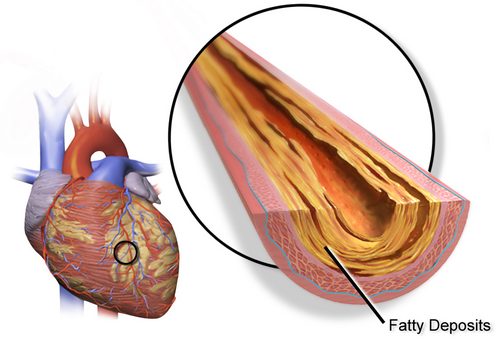
CardiologyCoronary heart disease results from atherosclerotic narrowing of the coronary arteries that reduces blood supply to the heart muscle. It can cause chest pain (angina) and, when severe, a heart attack (myocardial infarction), and is one of the most common cardiovascular diseases.
Common symptoms:
Arrhythmia
CardiologyArrhythmia is any abnormal heart rhythm caused by disorders of cardiac automaticity or conduction, resulting in a heartbeat that is too fast, too slow, or irregular. It encompasses abnormalities in both rhythm and rate.
Common symptoms:
Heart Failure
CardiologyHeart failure is a clinical syndrome in which structural or functional changes of the myocardium impair the heart's ability to fill or pump, so that cardiac output fails to meet the body's needs. Common features include shortness of breath, wheezing, and edema.
Common symptoms:
play_circleVideo Encyclopedia
More videos chevron_right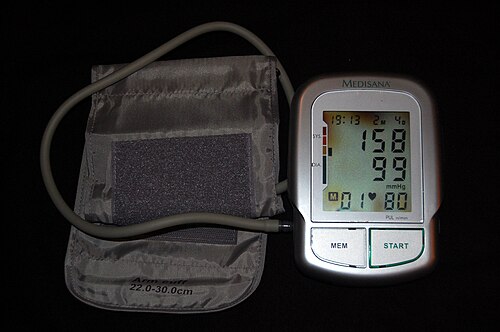

menu_bookIn-depth Articles
More chevron_rightBeware the silent killer: how to control hypertension scientifically
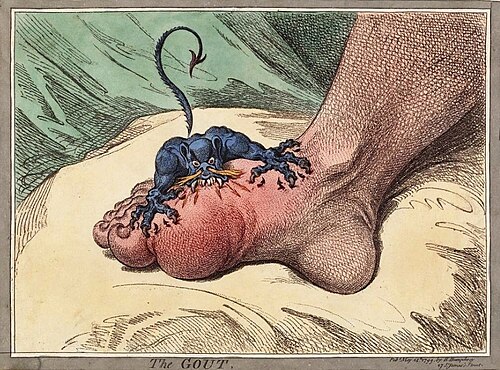
verified_userExpert-reviewedReads 1.2wDoes high uric acid mean gout? Causes, prevention and treatment
verified_userTertiary-hospital expert reviewedReads 8650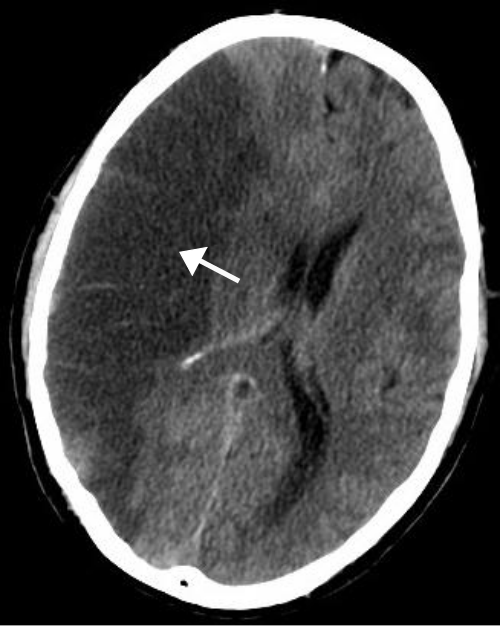
The golden window for stroke rescue: recognize these warning signs
verified_userExpert-reviewedReads 2.1w
Can psoriasis be cured? Science-based understanding and daily care
verified_userExpert-reviewedReads 6320
photo_libraryMedical Illustrations
Illustrated: coronary heart disease — symptoms, causes and prevention
medical_servicesExpert Health Advice
Manage blood pressure, protect your heart and brain
Dr. Chen - Chief Physician, Cardiology
The key to blood-pressure control is long-term consistency: a low-salt diet, a regular routine, moderate exercise, and taking medication on schedule as prescribed — never stop on your own.
Eat wisely, keep fatty liver away
Dr. Li - Associate Chief Physician, Gastroenterology
Fatty liver is often linked to excess calories. Cut back on refined sugar and greasy food, add more vegetables, fruit and whole grains, and lose weight gradually with regular exercise.
Manage blood sugar, starting with every meal
Dr. Zhou - Associate Chief Physician, Endocrinology
Choose low-glycemic staples, eat on a regular schedule and in measured amounts, get plenty of dietary fiber, keep monitoring your blood sugar, and keep HbA1c within your target range.
How desk workers can protect the neck
Dr. Wang - Attending Physician, Orthopedics
Avoid looking down for long periods, stand up and move your neck and shoulders every hour, mind your posture and pillow height, and strengthen neck muscles with stretching and swimming.
Buy medicine online, made easy
Compliant online sale of prescription drugs, delivered to your door