
Hyperuricemia
EndocrinologyOverview
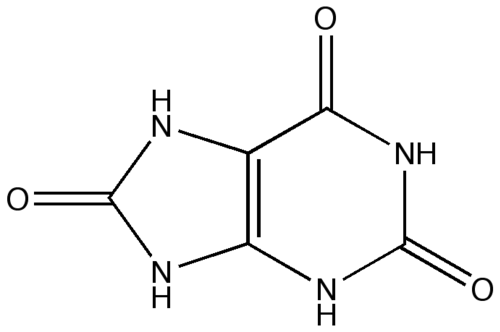
Hyperuricemia is an elevated blood uric acid level caused by overproduction and/or reduced excretion of uric acid. It is a chronic metabolic disorder resulting from disturbed purine metabolism.
Symptoms
- Often asymptomatic
- Joint discomfort
- Fatigue
- Urinary stones
- Joint swelling and redness
- Low back pain
Treatment
Managed mainly through lifestyle interventions such as a low-purine diet, increased fluid intake, and weight control. Persistently elevated uric acid or accompanying gout may require urate-lowering drugs (such as allopurinol or febuxostat). Monitor blood uric acid regularly.
Dietary advice
Follow a low-purine diet and limit animal organ meats, seafood, and beer. Drink plenty of water to promote uric acid excretion, and eat plenty of fresh fruits, vegetables, and low-fat dairy products.