
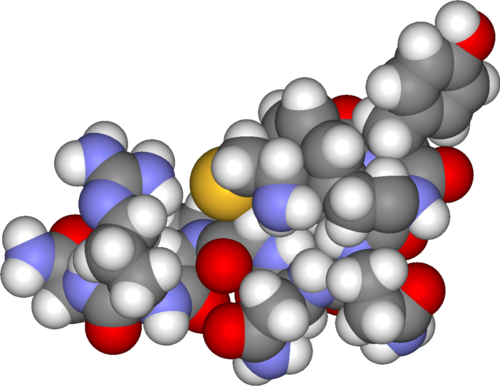
Diabetes Insipidus
EndocrinologyOverview
Diabetes insipidus is a syndrome characterized by excessive urination, thirst, and fluid intake, caused by a complete or partial lack of antidiuretic hormone or by the kidneys being unresponsive to it, impairing water reabsorption. It is classified as central, nephrogenic, dipsogenic, or gestational.
Symptoms
- Excessive urination
- Excessive thirst
- Excessive fluid intake
- Increased nighttime urination
- Fatigue
- Dry mouth
Treatment
Central diabetes insipidus is treated mainly with desmopressin replacement, while nephrogenic diabetes insipidus requires addressing the cause and restricting sodium. Ensure adequate fluid intake to prevent dehydration and monitor electrolytes regularly.
Dietary advice
Ensure adequate fluid intake to prevent dehydration and moderately restrict sodium. Maintain a balanced diet and avoid high-salt, high-protein intake that burdens the kidneys.