
Renal Failure
NephrologyOverview
Renal failure occurs when kidney disease impairs the kidneys' ability to effectively remove waste from the blood, affecting the body's metabolism and potentially becoming fatal. Its two main causes are acute kidney injury and chronic kidney disease, and it can lead to edema, acidosis, high potassium, and anemia.
Symptoms
- Decreased urine output
- Edema
- Fatigue
- Poor appetite
- Nausea
Treatment
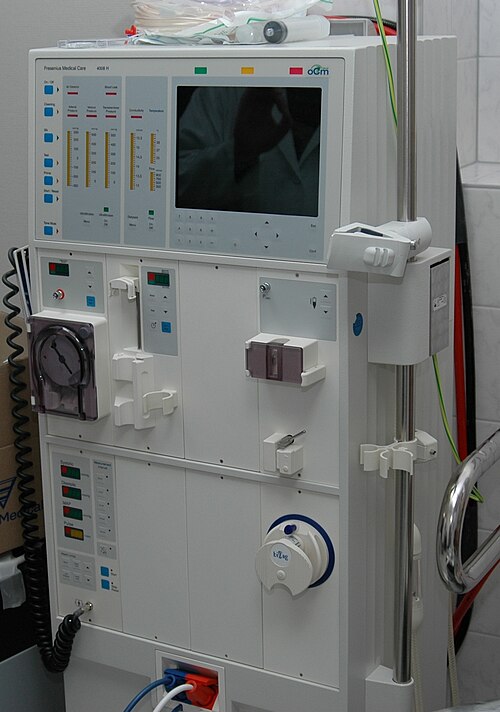
Treat the underlying cause, control blood pressure, and correct fluid and electrolyte imbalances. End-stage chronic renal failure requires hemodialysis, peritoneal dialysis, or kidney transplantation. Regular follow-up in nephrology is needed.
Dietary advice
Follow a high-quality, low-protein, low-salt diet, restrict potassium, phosphorus, and fluid intake, and adjust based on the stage of kidney function under physician guidance.