
Minor Illness to the Community, Serious Illness to the Hospital: How Tiered Care Makes Visits Easier
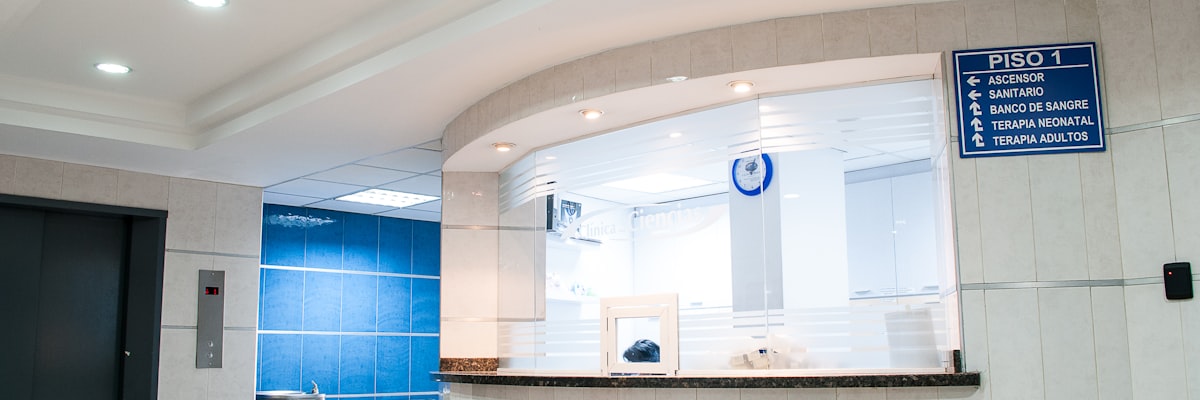
Rushing to a big hospital at the first sign of discomfort, only to queue for hours and see the doctor for minutes, is a pain point for many. The goal of the tiered care system is exactly this: handle common and chronic conditions at the primary level, reserve top hospitals' quality resources for those who truly need them for complex and severe illness, and make the whole care process smoother.
lightbulbKey takeaways
- ✓The core is first contact at the primary level, two-way referral, and separating acute from chronic
- ✓Managing common chronic conditions at the primary level is more convenient with shorter waits
- ✓Signing up for a family doctor gives continuous health management
- ✓For acute and critical conditions, seek the nearest care or call emergency services at once
How tiered care is divided
In short, it is "first contact at the primary level, two-way referral, separating acute from chronic, and linking up and down." Day-to-day management of common, frequent and chronic conditions is encouraged at primary facilities such as community health centers and township health centers; complex cases or those needing further diagnosis and treatment are then referred up to higher hospitals.
Patients in recovery or with stable conditions can also be referred from big hospitals back to the primary level for continued management, forming an orderly flow that keeps everyone from crowding into top-tier hospitals.
What practical benefits it brings patients
Care at the primary level is usually more convenient with shorter waits, and some areas offer favorable reimbursement ratios and contracted family-doctor services, making long-term follow-up and refills easier for chronic patients.
Reaching a higher hospital through a referral channel is often smoother than booking on your own, and it helps doctors share information and reduce duplicate tests.
How to make good use of the system
You can learn about and sign up for family-doctor services, treating primary facilities as the "first stop" for everyday health management; when the primary level cannot handle something, follow the doctor's referral advice.
Tiered care does not restrict your freedom to seek care; it offers a more reasonable path. For acute, critical and severe conditions, still seek the nearest care immediately or call emergency services without sticking to the process.
This article is for health education reference only and cannot replace professional medical diagnosis or treatment. If you feel unwell, please seek medical care promptly.