
Pulmonary Hypertension
CardiologyOverview
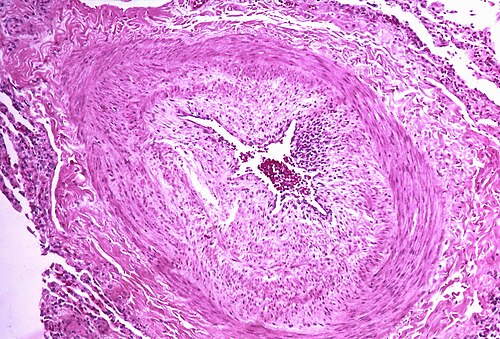
Pulmonary hypertension is a pathological elevation of pressure in the pulmonary arteries caused by various heart, lung, or pulmonary vascular diseases, defined as a mean pulmonary arterial pressure exceeding 20 mmHg. It is progressive and can ultimately lead to right heart failure.
Symptoms
- Shortness of breath
- Fatigue
- Chest pain
- Syncope
- Edema
Treatment
Treat the underlying cause and provide oxygen therapy, use targeted drugs such as endothelin receptor antagonists and phosphodiesterase inhibitors, combined with diuretics and anticoagulation.
Dietary advice
Strict salt and fluid restriction, small frequent meals, avoidance of high-altitude and hypoxic environments, and balanced nutrition.