
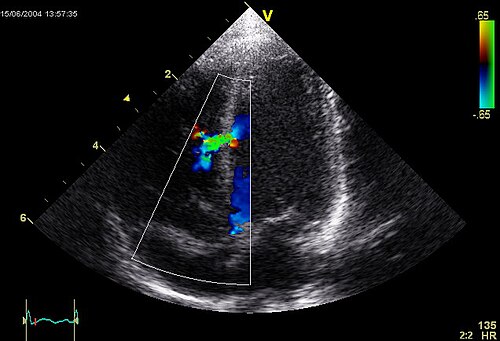
Ventricular Septal Defect
CardiologyOverview
Ventricular septal defect (VSD) is a common congenital heart disease in which incomplete development of the ventricular septum creates an abnormal communication, producing a left-to-right shunt at the ventricular level. Some small defects close on their own, while larger ones may require medication or surgical repair.
Symptoms
- Shortness of breath
- Excessive sweating
- Feeding difficulty
- Recurrent pneumonia
- Growth delay
Treatment
Small defects may close spontaneously and need follow-up, while larger or symptomatic defects require surgical repair or transcatheter closure, with preoperative control of heart failure and infection.
Dietary advice
Ensure adequate calorie and protein intake, small frequent meals, and a low-salt, light diet.