
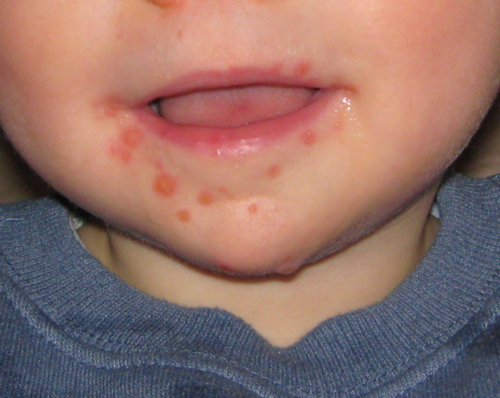
Hand, Foot, and Mouth Disease
PediatricsOverview
Hand, foot, and mouth disease (HFMD) is a common infectious disease caused by various enteroviruses, mainly affecting infants and preschool children. It typically presents with fever, general malaise, and blisters or rash on the hands, feet, oral mucosa, and buttocks. Most cases are self-limiting, lasting about 7-10 days, though a few may develop myocarditis, pulmonary edema, or central nervous system complications.
Symptoms
- Fever
- Oral blisters
- Rash on hands and feet
- Poor appetite
- Drooling
Treatment
Mostly self-limiting, managed with symptomatic supportive care and isolation with rest; seek prompt medical care for lethargy or persistent high fever.
Dietary advice
Give a light, cool liquid or semi-liquid diet, drink plenty of water, and avoid overly hot, sour, or spicy foods.