
Pericarditis
CardiologyOverview
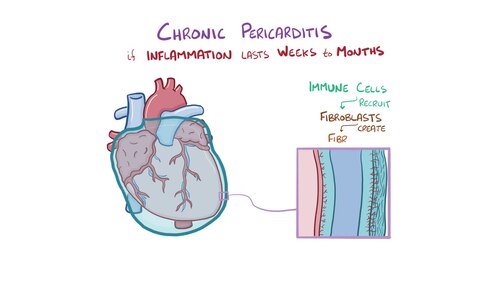
Pericarditis is an inflammatory reaction of the pericardium, the fibrous sac surrounding the heart, involving the visceral and parietal layers of the epicardium. It can be acute or chronic and may compress the heart and restrict diastole; a large pericardial effusion can cause cardiac tamponade. Symptoms are often sudden acute chest pain that worsens when lying down or breathing deeply and eases when sitting upright.
Symptoms
- Chest pain
- Fever
- Difficulty breathing
- Palpitations
- Fatigue
Treatment
Management focuses on bed rest, with NSAIDs combined with colchicine to control inflammation. Treat the underlying cause when identified, and perform pericardiocentesis and drainage if cardiac tamponade occurs.
Dietary advice
Eat a light, easily digestible diet, limit salt appropriately, and take in more foods rich in high-quality protein and vitamins.