
AI Reading Scans and Assisting Diagnosis Enters Hospitals: Will It Replace Doctors?
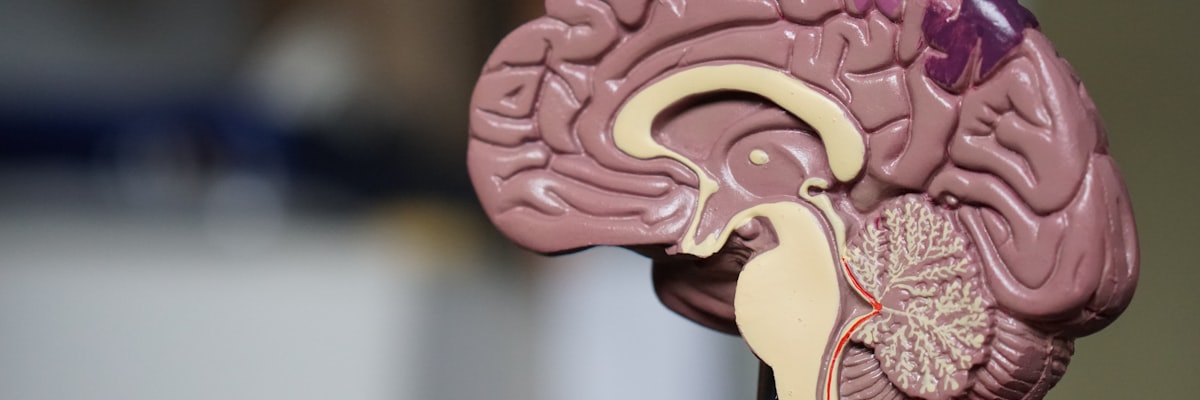
From helping doctors quickly screen suspicious lesions in images to assisting with organizing records and flagging risks, artificial intelligence appears more and more in the care process. Many wonder: AI is so capable, will it one day replace doctors? The answer is not that simple.
lightbulbKey takeaways
- ✓AI stands out for efficiency and consistency in image recognition and data processing
- ✓Clinical decisions need comprehensive judgment and communication that AI can't replace
- ✓AI output needs professional review; position it as an assistive tool
- ✓Stay rational about claims that it will "soon replace doctors"
What AI is good at
In medical image recognition, processing huge amounts of data and repetitive work, AI has advantages in speed and consistency. It can help doctors mark suspicious areas across many images faster, reduce omissions caused by fatigue, and improve efficiency.
In record structuring, risk alerts and assisted triage, AI can also provide valuable support, letting doctors devote more energy to judgment and communication.
Why it can't replace doctors
Clinical decisions are far more than "reading an image to name a disease." They require integrating history, signs, test results and the patient's individual situation, and involve communication, empathy and weighing complex situations, things current AI struggles to replace.
AI output can also be wrong or biased and needs review by professionals. Positioning AI as an "assistive tool" that extends doctors' abilities rather than replacing their responsibility is the sensible direction.
A rational view of AI in medicine
Stay rational about claims of "extremely high accuracy" or "about to fully replace." Deploying technology requires rigorous validation, regulatory approval and testing in real settings, and should not be overstated.
For patients, AI more likely means more efficient service and earlier risk alerts, but seeing a doctor still means trusting a professional's comprehensive judgment.
This article is for health education reference only and cannot replace professional medical diagnosis or treatment. If you feel unwell, please seek medical care promptly.