
Bands and Watches Measure Heart Rate, Blood Oxygen and Sleep: Is the Data Reliable?
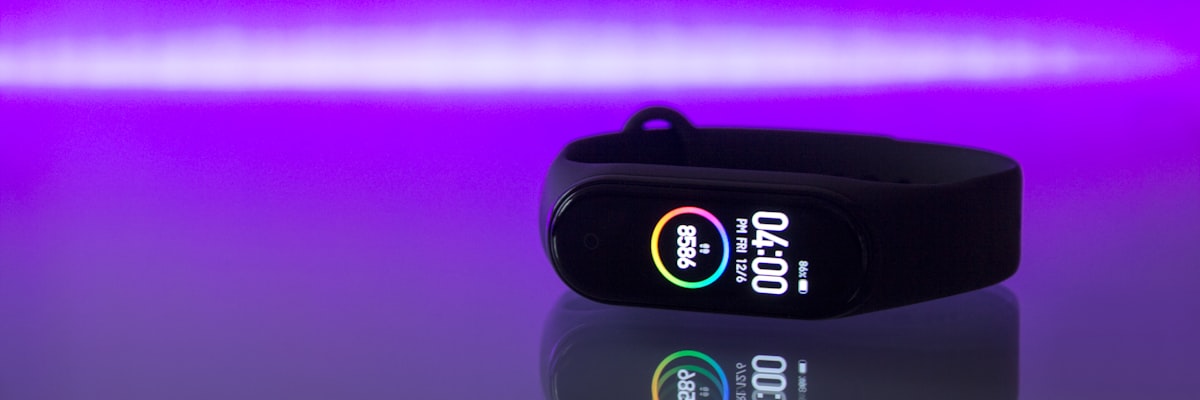
Heart rate, blood oxygen, sleep, step count, even irregular-heartbeat alerts: today a single smartwatch or band can record plenty of health data. These wearable devices do make health management more convenient, but can their data serve as a basis for diagnosis? How should we use them rationally?
lightbulbKey takeaways
- ✓Wearables' strength is continuous, convenient trend monitoring
- ✓Consumer devices have limited accuracy; data is for reference only
- ✓Abnormality alerts should be confirmed with a proper hospital checkup
- ✓Watch long-term trends; don't be ruled by a single reading
The value of wearables
Continuous, convenient monitoring is a wearable's greatest strength. They help you understand trends in your daily activity, sleep patterns and resting heart rate, encourage more exercise and earlier bedtimes, and some devices' abnormality alerts may even offer clues to potential problems.
For healthy people, treating them as tools to promote healthy habits is meaningful; for those who need to keep an eye on certain metrics long term, trend data can also serve as a reference.
It is not a medical device
Consumer wearables' measurements are affected by how they're worn, movement, skin tone, lighting and other factors, and their accuracy lags behind medical-grade instruments. Their readings can be a reference but cannot serve as a diagnostic standard.
If you see an abnormal reading, there's no need to panic, and don't draw conclusions or adjust medication on your own. True judgment should be based on proper medical testing and a doctor's evaluation.
Use the data well, don't be ruled by it
Watching long-term trends is more meaningful than obsessing over a single reading. If the device repeatedly flags abnormalities, or you have relevant symptoms and risks, go to a hospital for a proper checkup promptly.
Don't let health data become a new source of anxiety. Devices are assistants that help us understand our bodies better; ultimately, health management still needs professional input.
This article is for health education reference only and cannot replace professional medical diagnosis or treatment. If you feel unwell, please seek medical care promptly.