
Children Aren't "Miniature Adults": A Few Safety Bottom Lines for Giving Kids Medicine
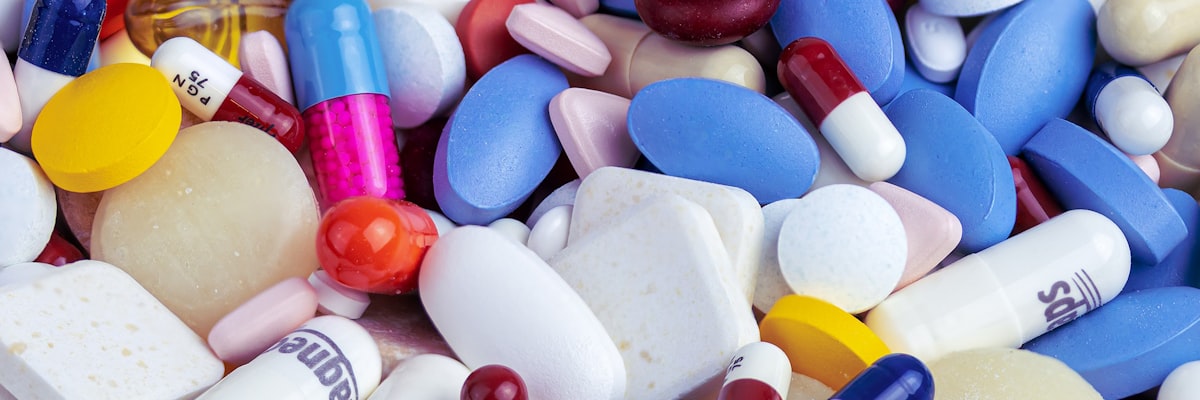
When a child is ill, parents are most anxious and most prone to medication mistakes. Children are not "miniature adults"; their bodies aren't fully developed, and their metabolism of and response to drugs differ from adults'. When giving children medicine, there are a few safety bottom lines you must hold.
lightbulbKey takeaways
- ✓Children aren't "miniature adults"; don't casually split adult drugs
- ✓Choose child formulations and dose precisely by weight/age
- ✓Check ingredients to avoid duplication and age contraindications
- ✓Store drugs safely against accidental ingestion; dose properly with the measuring device
Don't casually "halve" adult drugs for children
Many adult drugs are not suitable for children, and casually breaking them and dosing by "rough proportion" makes the dose hard to get right and very risky. Choose child-specific drugs and formulations where possible, and dose by the child's weight or age.
Children's usage varies greatly among drugs; when unsure, always consult a doctor or pharmacist rather than relying on experience or others' advice.
Check ingredients to avoid duplication and contraindications
Children's cold and fever medicines may contain the same ingredients, and using several at once easily causes an overdose. Check the ingredient list before use to avoid duplicate medication. Some ingredients have clear age contraindications, which need special attention.
When a child has an underlying condition, an allergy history or is taking other medications, always tell the doctor or pharmacist before use.
Store drugs safely and dose properly
Keep drugs out of children's reach to avoid accidental ingestion; use the accompanying measuring device to dose accurately rather than estimating with an ordinary spoon; and follow the timing and course on the label or doctor's orders.
Be patient when giving medicine, and don't trick children by calling medicine "candy," to avoid misunderstanding and accidental ingestion. If accidental ingestion occurs, seek care promptly.
This article is for health education reference only and cannot replace professional medical diagnosis or treatment. If you feel unwell, please seek medical care promptly.