
How to Choose and Store Home Medicines? A Guide to Safe Use of OTC Drugs
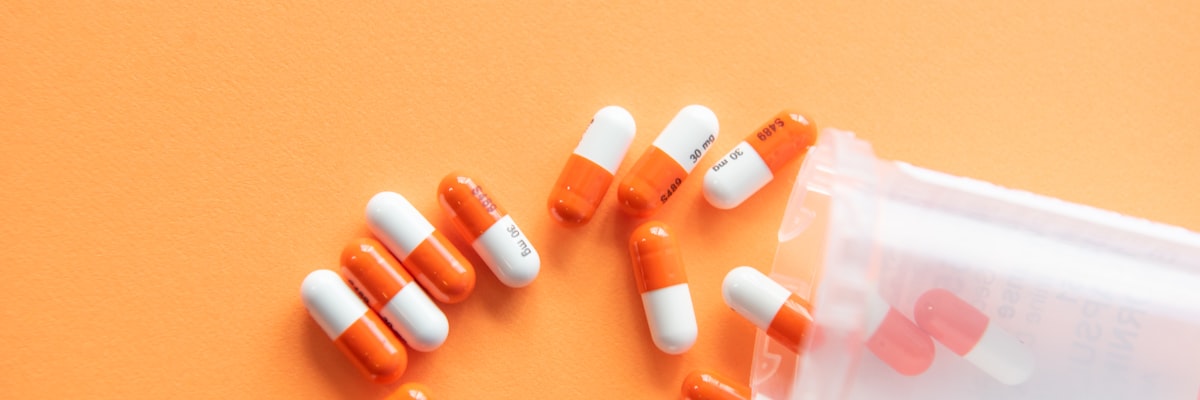
Fever reducers, painkillers, antihistamines, stomach medicines... many households keep a small medicine cabinet. Over-the-counter (OTC) drugs are easy to buy, but "non-prescription" does not mean "take as you please." Mastering a few basic principles keeps a home medicine cabinet both handy and safe.
lightbulbKey takeaways
- ✓Check ingredients to avoid overdose from stacking multiple drugs
- ✓Use the dose and course on the label; don't raise the dose yourself
- ✓For children, use child formulations and dose by weight/age
- ✓Store cool and dark away from children; clear out expired drugs regularly
Check ingredients to avoid double-dosing
Many combination cold remedies contain the same ingredients, such as fever-and-pain relievers. Taking several products at once can unknowingly cause an overdose of one ingredient, risking liver damage and more. Always check the ingredients and label before use.
Special groups such as pregnant and breastfeeding women, children, older adults, and people with chronic illness or on other medications should read the contraindications carefully or consult a doctor or pharmacist before use.
Use as directed; don't up the dose by instinct
Take the dose, frequency and course recommended by the label or pharmacist; once symptoms ease you needn't continue, and if symptoms don't improve or worsen, see a doctor. Don't assume "taking more works faster" and raise the dose yourself.
Dosing for children requires special care; use child-specific formulations where possible and dose by weight or age, avoiding simply breaking up adult drugs.
Store scientifically and clear out regularly
Most drugs should be kept in a cool, dry, dark place out of children's reach; some need refrigeration, so store them as directed. Shelf life may shorten after opening, so keep an eye on it.
Check the cabinet regularly, promptly remove expired, spoiled or poorly labeled drugs, and dispose of them properly per local rules, rather than discarding them casually or continuing to take them.
This article is for health education reference only and cannot replace professional medical diagnosis or treatment. If you feel unwell, please seek medical care promptly.