
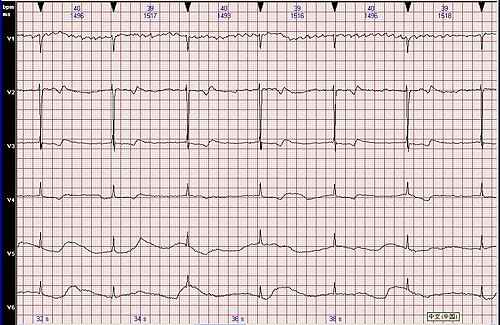
Atrial Fibrillation
CardiologyOverview
Atrial fibrillation (AF) is a type of arrhythmia in which various pathological causes lead to irregular atrial activation, with an irregular rhythm and loss of effective atrial contraction. It causes rapid and irregular ventricular contractions. Based on duration, it is classified as paroxysmal, persistent, or permanent. Most episodes are asymptomatic, but patients may sometimes feel palpitations, fainting, difficulty breathing, or chest pain. It increases the risk of heart failure, dementia, and stroke.
Symptoms
- Palpitations
- Chest tightness
- Shortness of breath
- Dizziness
- Fatigue
Treatment
Control the ventricular rate and rhythm, commonly with beta-blockers and antiarrhythmic drugs, with catheter ablation when necessary. Provide anticoagulation therapy based on stroke risk to prevent thromboembolism.
Dietary advice
Limit alcohol and caffeine intake, eat a low-salt, low-fat diet, and those taking warfarin should keep vitamin K intake stable.