
Angina Pectoris
CardiologyOverview
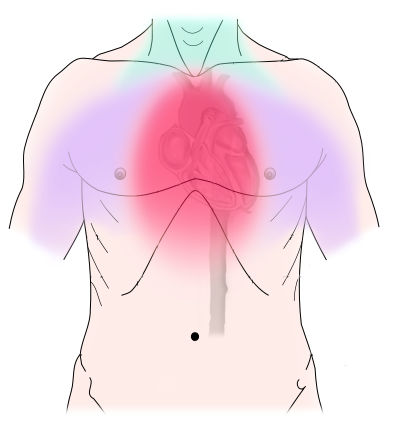
Angina pectoris is chest pain caused by myocardial ischemia, generally resulting from coronary artery blockage or spasm. Patients feel a pressure sensation in the chest when blood supply to the heart muscle is insufficient. Unstable angina, associated with acute coronary syndrome, may signal an impending heart attack.
Symptoms
- Chest pain
- Chest tightness
- Precordial pressure
- Shortness of breath
- Sweating
- Radiating pain
Treatment
During an attack, sublingual nitroglycerin relieves symptoms; long-term treatment uses antiplatelet drugs, statins, beta-blockers, and nitrates. Severe cases may require coronary intervention or bypass surgery.
Dietary advice
Follow a low-salt, low-fat, light diet with small frequent meals and avoid overeating. Eat plenty of vegetables, fruits, and whole grains; quit smoking, limit alcohol, and avoid emotional stress.