
What Does Cancer Screening Actually Check? Keep This High-Risk Screening Checklist
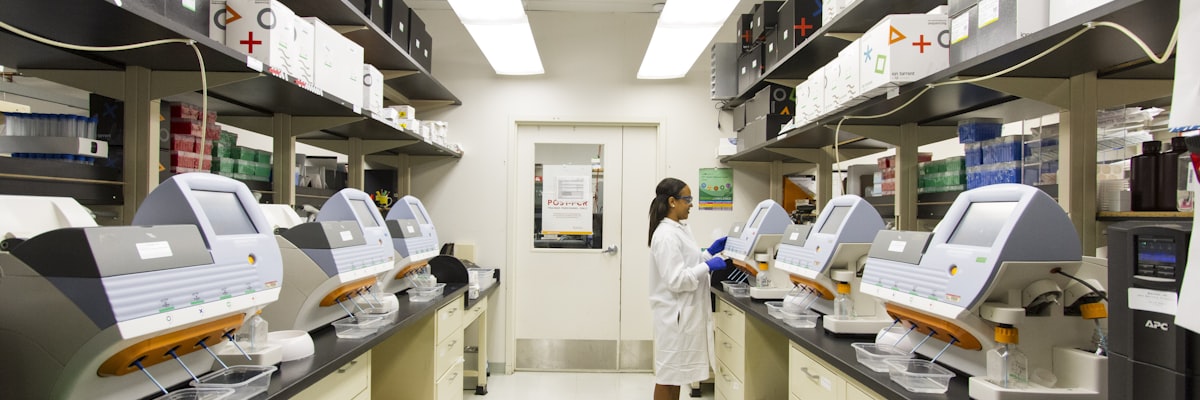
The word cancer strikes fear, but many cancers are far from hopeless. For common cancers such as lung, colorectal, breast, cervical and gastric cancer, early detection greatly improves treatment outcomes and survival. Scientific early screening is how you keep the initiative in your own hands.
lightbulbKey takeaways
- ✓Many common cancers have high early cure rates; the key is early detection
- ✓A routine checkup is not the same as cancer-specific screening
- ✓Screening plans should be tailored by a doctor based on age, family history and more
- ✓Not smoking, limiting alcohol and a healthy lifestyle are important controllable factors
Why early screening matters
Early tumors often have no typical symptoms, and by the time clear discomfort appears the disease may have advanced. Targeted screening can find abnormalities during the symptom-free stage, buying a golden window for treatment.
A routine general checkup does not cover the specialized screening for every cancer. Whether you need a low-dose CT, colonoscopy, breast ultrasound or mammogram depends on age, sex, family history and risk factors.
Screening directions for several common cancers
Middle-aged and older people with a long smoking history or relevant exposures can discuss low-dose spiral CT for lung cancer with their doctor; people at high risk of colorectal cancer may consider colonoscopy; women of appropriate age should take cervical cancer screening and breast examination seriously; those with a family history of gastric cancer or other risk factors can be evaluated for gastroscopy.
The specific tests, starting age and intervals should be set by a doctor based on your individual situation, avoiding both overtesting and repeatedly putting off tests you should have.
Beyond screening, don't overlook these
Quitting smoking, limiting alcohol, a balanced diet, regular exercise, weight control and relevant vaccinations are all controllable factors that lower cancer risk. If you notice persistent, unexplained changes in your body, seek medical evaluation promptly.
An abnormal screening result is not a cancer diagnosis; further testing is needed to confirm. Stay rational, follow professional advice, and avoid rushing to unnecessary care or trusting folk remedies out of excessive anxiety.
This article is for health education reference only and cannot replace professional medical diagnosis or treatment. If you feel unwell, please seek medical care promptly.