
Don't Wait for a Fracture: Osteoporosis Prevention Should Start When You're Young
Many think osteoporosis is only a worry for older adults, but bone mass begins accumulating in youth and gradually declines after middle age. Early osteoporosis has almost no symptoms and is often discovered only after a fracture from a minor bump. The key to prevention is depositing enough "bone capital" as early as possible.
lightbulbKey takeaways
- ✓Bone mass builds in youth and declines after middle age; prevent early
- ✓Enough calcium and vitamin D and moderate sun are the foundation
- ✓Weight-bearing and resistance exercise increase bone density
- ✓Postmenopausal women and older adults should test bone density and prevent falls
Bone mass is like a "bank account"
Bone mass peaks in early adulthood and then gradually decreases with age. The higher the peak bone mass built in youth, the more "reserve" there is to draw on in old age, and the lower the risk of osteoporosis and fractures.
Women lose bone faster after menopause and are a high-risk group for osteoporosis. In addition, long-term lack of exercise, insufficient sun exposure, smoking, heavy drinking, and certain diseases and medications accelerate bone loss.
How to build enough "bone capital"
Getting enough calcium and vitamin D is the foundation. Get calcium from dairy, soy products and dark green vegetables; moderate sun exposure helps the skin synthesize vitamin D, with supplements under a doctor's guidance if needed.
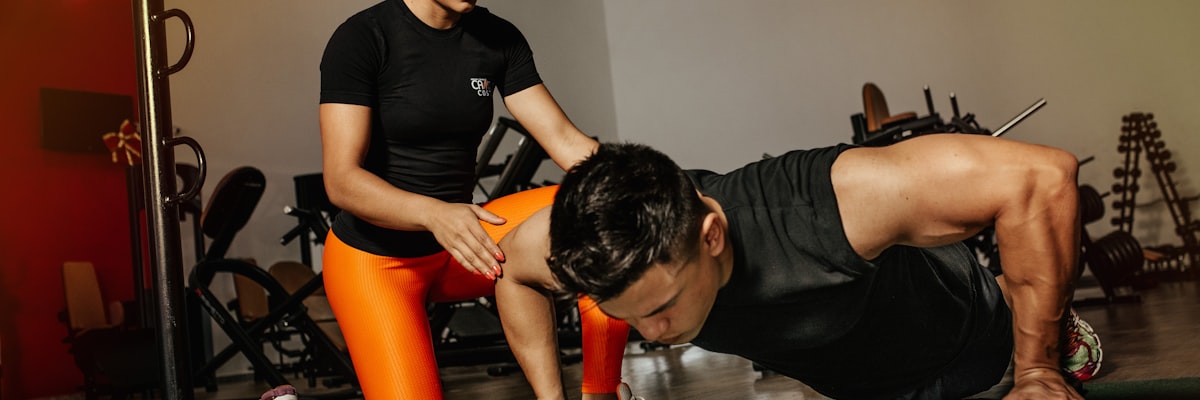
Weight-bearing and resistance exercise stimulate bone and increase bone density, such as walking, jogging, jumping and strength training. At the same time, quit smoking, limit alcohol, and cut high-salt and excessive caffeine intake.
High-risk groups should be evaluated early
Postmenopausal women, older adults, and those with a family history of osteoporosis or fractures should have bone-density testing under a doctor's guidance for early detection and intervention.
For those already diagnosed, besides lifestyle changes, proper medication may be needed, along with fall prevention to reduce fracture risk.
This article is for health education reference only and cannot replace professional medical diagnosis or treatment. If you feel unwell, please seek medical care promptly.