
Blood Pressure Creeping Up Without You Noticing? A Guide to Early Prevention and Control
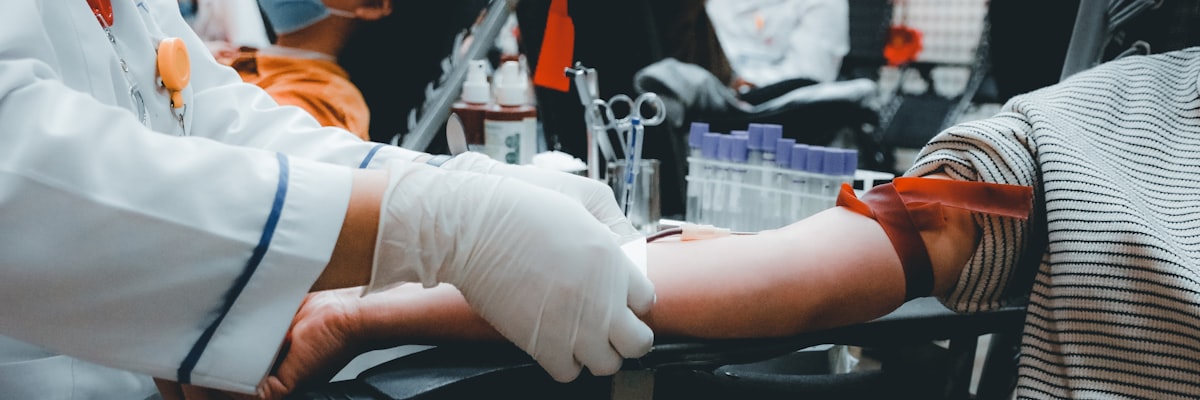
Many people discover their blood pressure is high only by chance, during a checkup or a visit for something else. Hypertension often causes no obvious discomfort early on, but poor long-term control steadily damages the heart, brain, kidneys and blood vessels. Managing blood pressure before complications appear is the truly worthwhile health investment.
lightbulbKey takeaways
- ✓Hypertension often has no early symptoms; judge it by regular measurement, not feelings
- ✓Limiting salt, controlling weight, exercise and limiting smoking and alcohol are foundational treatment
- ✓Once at target, do not stop medication on your own; management is long-term
- ✓Combined diabetes or kidney disease is high-risk and warrants early, proper treatment
What counts as high blood pressure
Without medication, office readings taken on several different days that reach a systolic pressure of 140 mmHg and/or a diastolic pressure of 90 mmHg generally indicate hypertension. The threshold for home self-measurement is slightly lower. A single high reading is not a diagnosis; proper measurement and repeated confirmation matter.
Occasional dizziness or a tight feeling at the back of the neck is nonspecific, and many patients have no symptoms at all. You cannot judge blood pressure by "how you feel"; regular measurement is the only reliable basis.
Lifestyle is the foundation of treatment
Limiting sodium, controlling weight, regular aerobic exercise, quitting smoking, limiting alcohol, getting enough sleep and managing stress all clearly help lower blood pressure. Dietwise, add vegetables, fruit, whole grains and low-fat dairy while cutting high-salt, high-oil and heavily processed foods.
Lifestyle change is not an optional add-on. For people with mildly elevated pressure it may be enough to bring readings back into the normal range, and for those who need medication it can reduce the dose and improve results.
Don't delay treatment, and don't stop medication on your own
When lifestyle change is not enough to reach target, or the case is already moderate to severe or combined with high-risk conditions such as diabetes or kidney disease, take medication regularly under a doctor's guidance. Blood-pressure treatment is usually long-term; normal readings do not mean you can stop on your own.
Stopping medication without approval or missing doses causes blood pressure to swing repeatedly and actually raises risk. While on treatment, keep up home monitoring and regular follow-up so the doctor can adjust the plan based on the data.
This article is for health education reference only and cannot replace professional medical diagnosis or treatment. If you feel unwell, please seek medical care promptly.